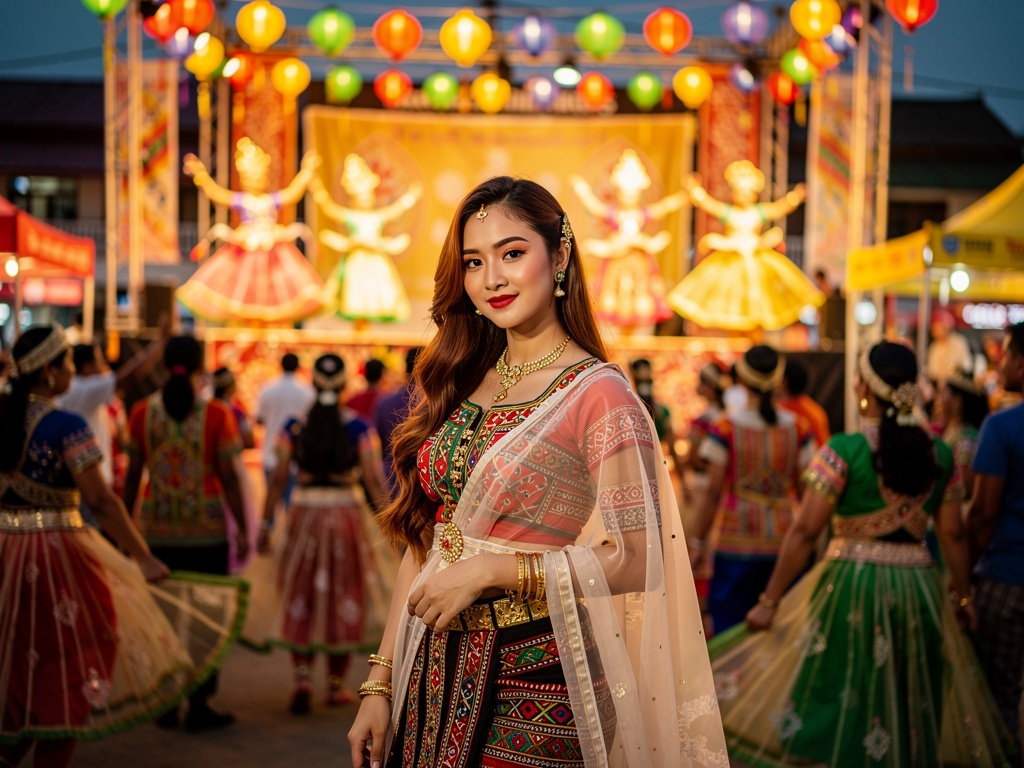
Manipur has one of the richest festival calendars in India. Unlike the giant commercial spectacles elsewhere, many festivals here still take place in the streets, courtyards and homes of the valley — sometimes for a single community, sometimes for the whole state. If your dates align, building your trip around a festival is the single best way to feel Meitei, Naga and Kuki culture.
📅 Dates shift every year
Most Manipuri festivals follow the lunar calendar (Meitei calendar / Hijri for some communities) or the lunar Hindu calendar. Dates below are approximate for 2026 — always double-check before booking.
The headline events
Sangai Festival — late November
What: Manipur's flagship state tourism festival, named after the rare Sangai deer found at Keibul Lamjao National Park. Ten days of cultural performances, classical Manipuri dance, indigenous games (including polo), handicraft fairs, food festivals and lake-side events at Loktak.
Who it suits: Anyone who wants a curated, friendly introduction to Manipuri culture in one trip — performances, food stalls and artisans from every district.
Tip: Book hotels at least a month ahead; the Haflong & Loktak days require separate transport.
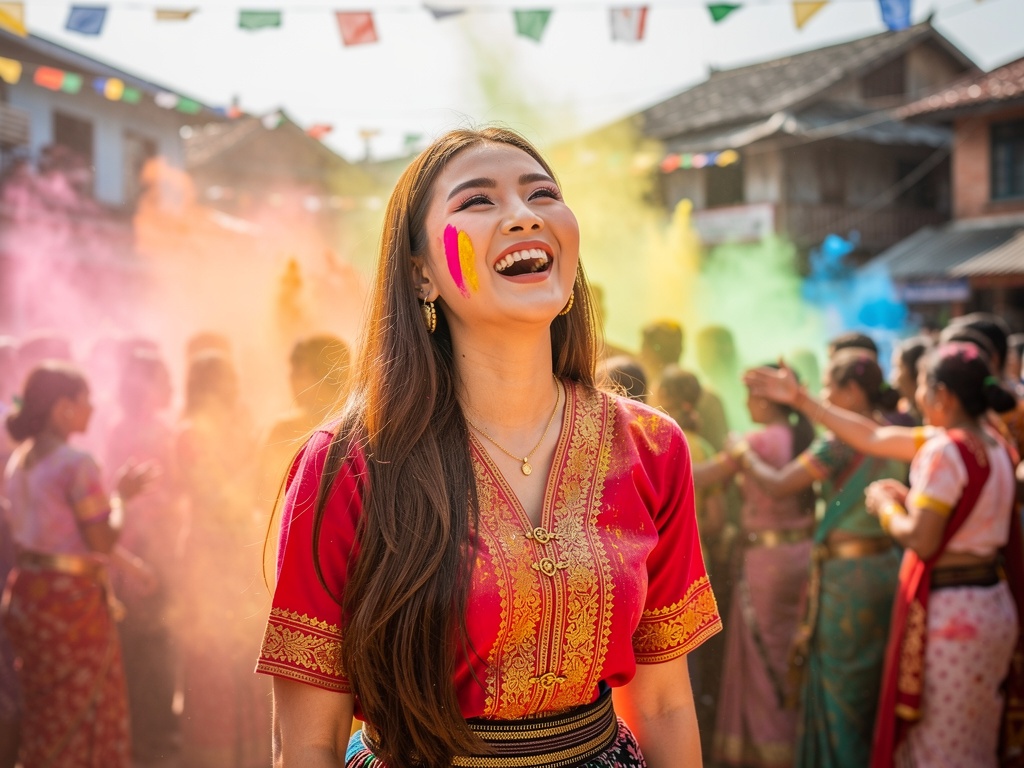
Yaoshang — February / March (6 nights)
What: Manipur's equivalent of Holi, but very different in spirit: six nights of community feasting, music, dance, theatre and a unique Manipuri twist on the colour play. Day six culminates in the colorful Holi procession.
Who it suits: Travellers who like street-level culture, photographers (ask before photographing people), and anyone who isn't afraid of getting wet.
Tip: Yaoshang is community-led, not staged — keep your distance from street corners where tense incidents occasionally flare, follow local guidance, and don't carry valuables.
Family & community festivals
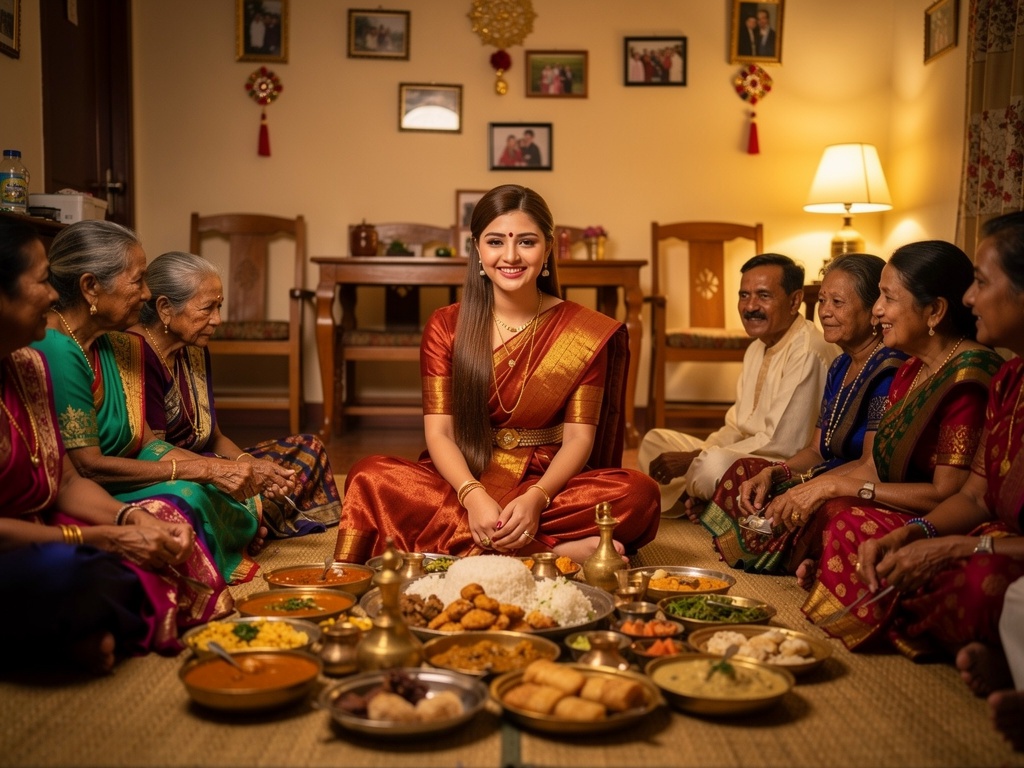
Ningol Chakouba — October / November
What: A deeply touching family festival where married daughters ("Ningol") are invited back to their maternal homes for a ceremonial feast. The gift is a Manipuri-style thali with fish, vegetables, sweets and traditional dishes — often cooked for hours.
Why it matters: It's a window into Manipuri domestic life and the central role of women in family and community.
Tip: You won't find it staged for tourists — but during the festival week you'll see families in the freshest traditional attire, carrying elaborate covered thalis across town. A great time for people-watching and respectful photography.
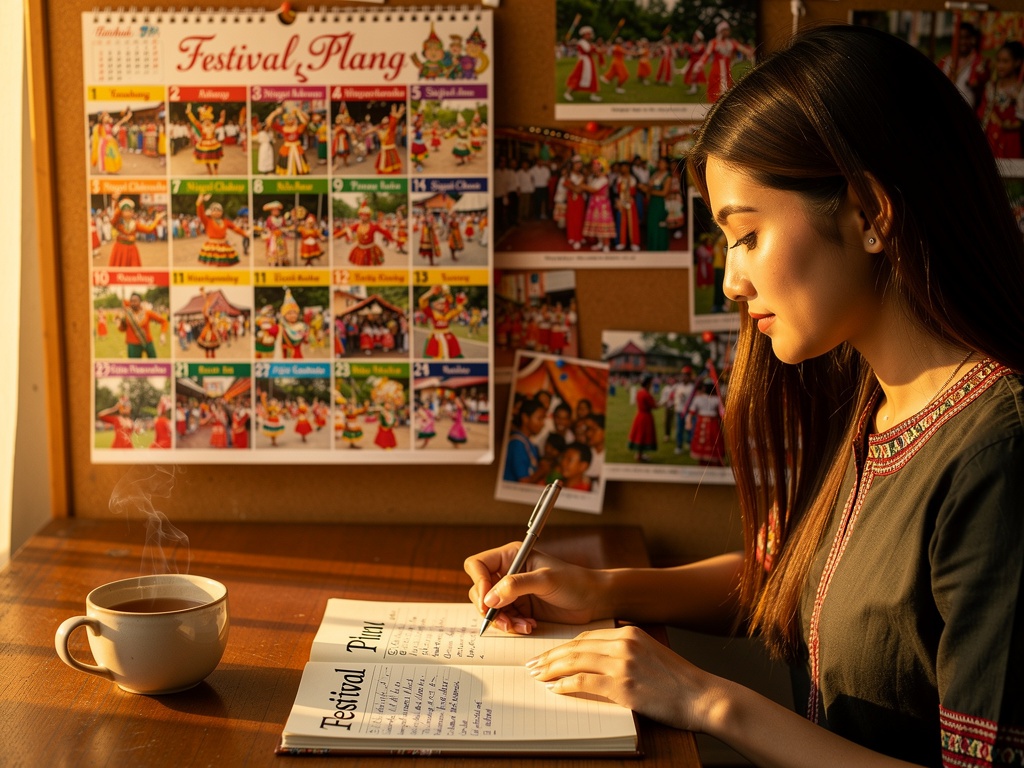
Kut & Cheiraoba — autumn / New Year
Kut (October/November) is a post-harvest thanksgiving festival celebrated by Kuki-Chin-Mizo communities across the hills — with community feasts, folk dances and traditional games. Some editions include performances open to outside visitors.
Cheiraoba (March/April) is the Meitei New Year. Families climb the nearest hill at dawn, light ritual fires and share a feast with relatives. A hopeful, joyful day to witness if your dates line up — Imphal's neighbourhood hills are gentle and accessible.
Religious & ritual events
Heikru Hidongba — August / September
A centuries-old Meitei boat festival held at Sangolbikai Lake (near the palace grounds). Long, narrow boats carrying the images of traditional deities race across the lake — a remarkable, photogenic spectacle that most visitors miss because it isn't a tourism headline. Ask locally for the dates.
Radha Govinda Jhulan & Raas Leela season — July / August
During the monsoon months the Manipuri classical Raas Leela is performed at temples across the valley, often overnight. The most famous public Ras is at the Shri Govindajee temple grounds — programmes are sometimes announced via the temple committee. See our culture page on what to expect.
Lai Haraoba — June / July
The ancient Meitei ritual festival honouring the forest deities ('Lai'). Performances blend dance, drums and ritual theatre over many days. Held at temple courtyards around Imphal — visitors are welcome to watch respectfully from outside the inner ritual circles.
🎉 Planning a festival trip?
Festivals are the best time to visit Manipur, but also the busiest. Reserve hotels and trusted drivers well in advance; expect traffic and crowds around the main venues. Always check the safety advisory the week before — major festivals sometimes attract tensions.
What to wear, what to bring
- Modesty matters. Temples, sacred groves and ceremony grounds prefer covered shoulders and knees. A light cotton shawl solves most problems.
- Coloured clothes for Yaoshang. White shows up best but will absorb colour fast — wear something you don't mind staining.
- No tripod at crowded indoor venues without asking — many temples prohibit it during rituals.
- Small gifts are welcome if invited to a family home, but don't offer them unprompted.
Time your visit around a festival
Our itineraries can be shifted by a day or two to catch festival events — or built entirely around one.
View itineraries Culture & dance